
Copper Mine
Copper ore is generally an aggregate of copper sulfides or oxides with other minerals, reacting with sulfuric acid to form blue-green copper sulfate. Natural copper minerals come in various colors: chalcopyrite is bright yellow, bornite is dark copper-red and turns blue-purple after oxidation.
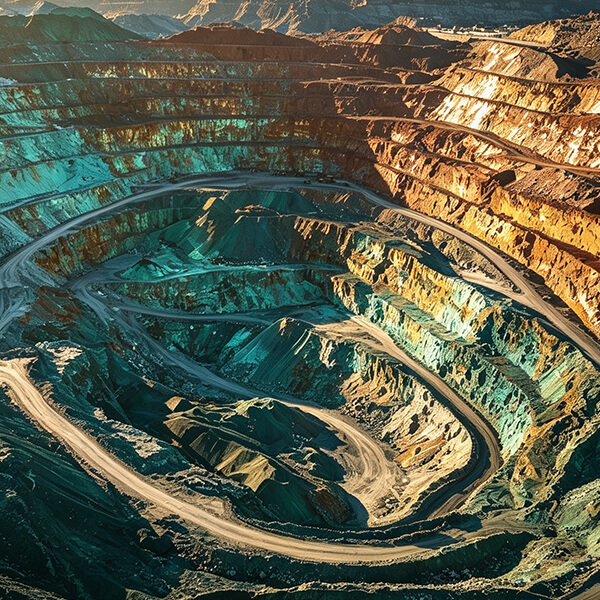
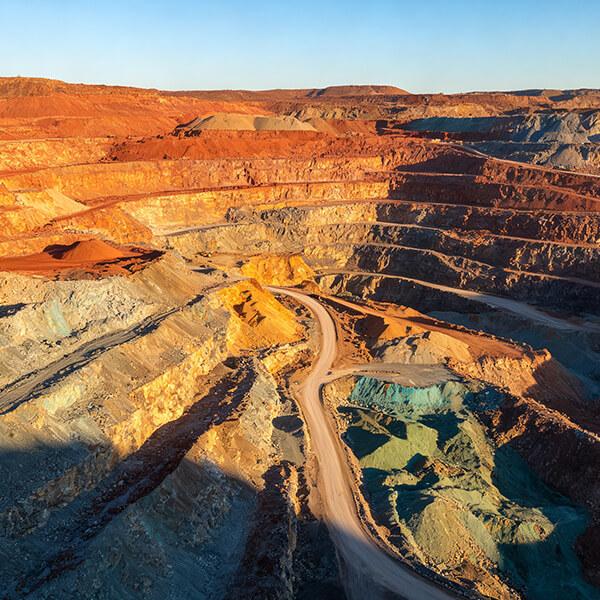
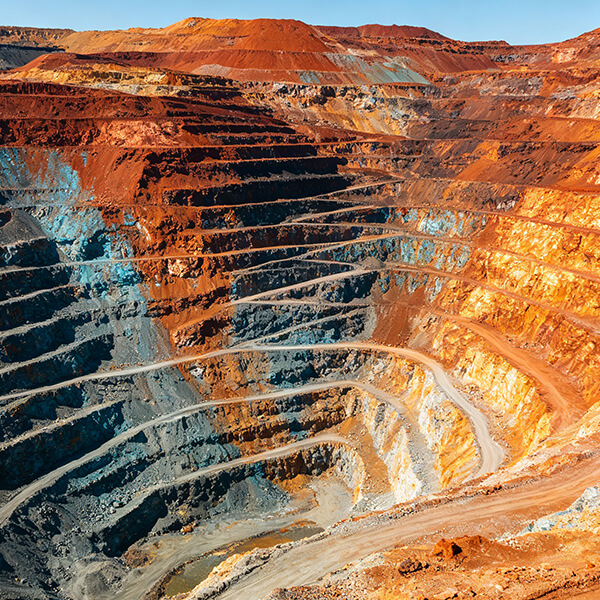
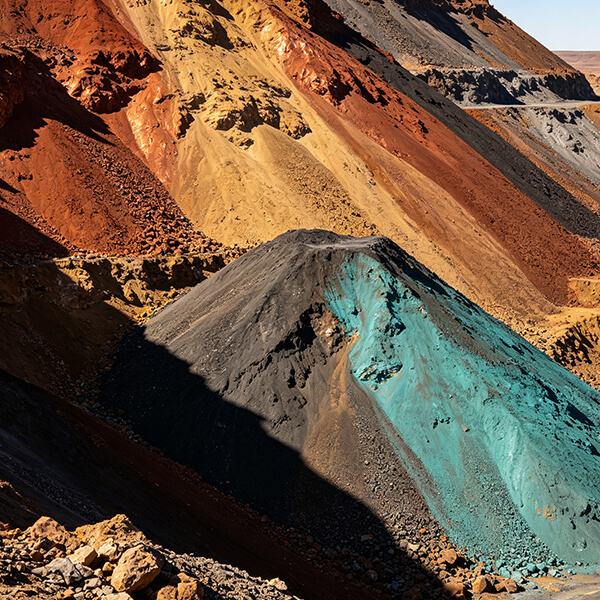
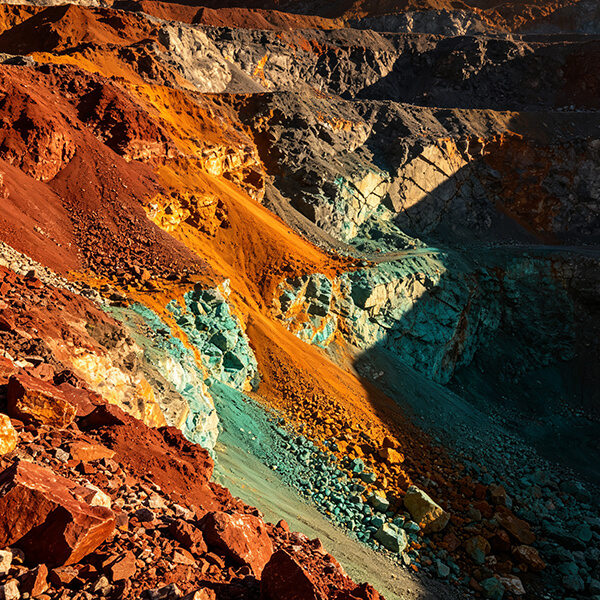
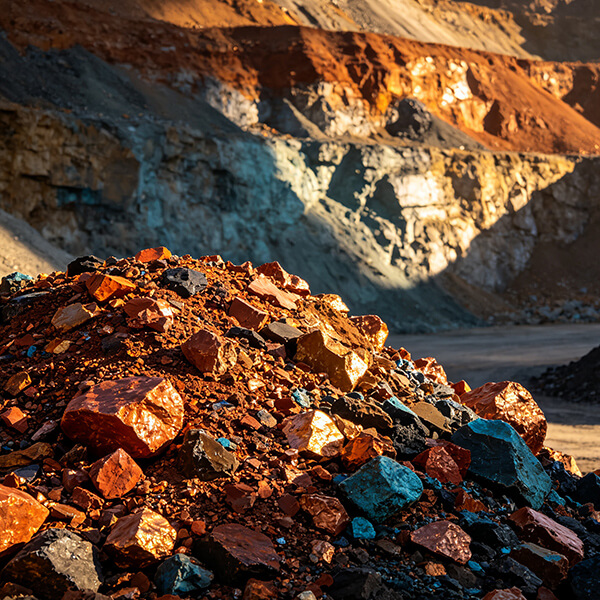
Copper ore is generally composed of copper sulfides or oxides combined with other minerals, which react with sulfuric acid to produce blue-green copper sulfate. Natural copper minerals come in various colors. Chalcopyrite appears bright yellow, while chalcopyrite appears dark copper red and turns into blue purple spots after oxidation; Lead gray chalcopyrite (copper sulfide); Copper blue (copper sulfide) indigo blue; Copper ore is steel gray in color; Blue copper ore (formerly known as Zeng Qing or Shi Qing) has a bright blue color. In ancient literature, blue refers to deep blue. The world's proven copper reserves are over 600 million tons, with Chile having the largest reserves, accounting for about one-third of the world's reserves. There are many famous copper mines in China, such as Dexing in Jiangxi, Tongling in Anhui, Zhongtiaoshan in Shanxi, Baiyin Factory in Gansu, Dongchuan in Yunnan, Duobaoshan in Heilongjiang, Yulong in Jiangda County in Xizang, Qulong in Mozhugongka County, etc. In the metal kingdom, copper's conductivity is second only to silver. Copper ore is more abundant and cheaper than silver ore. In today's world, over half of copper is used in the power and telecommunications industries.